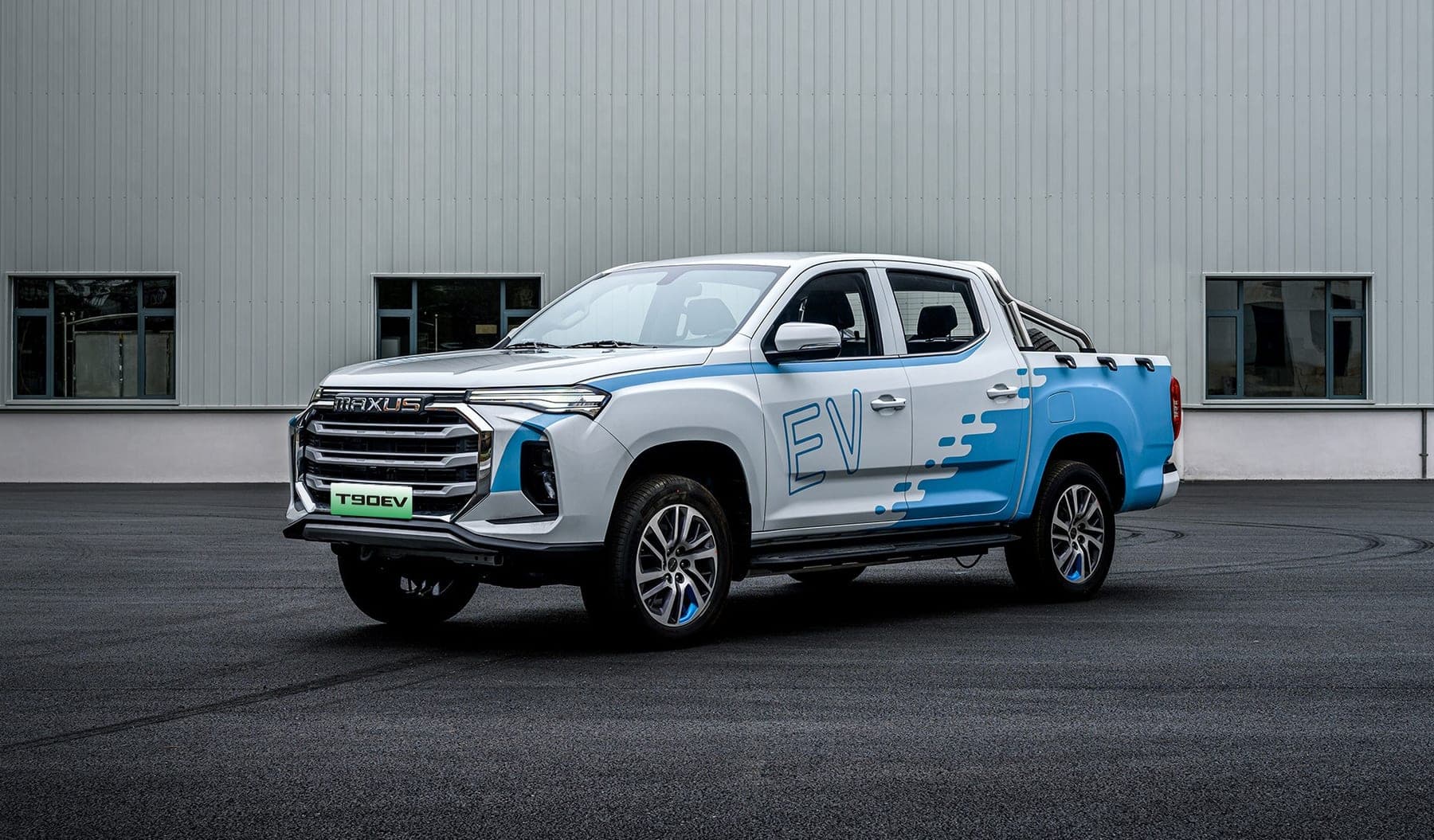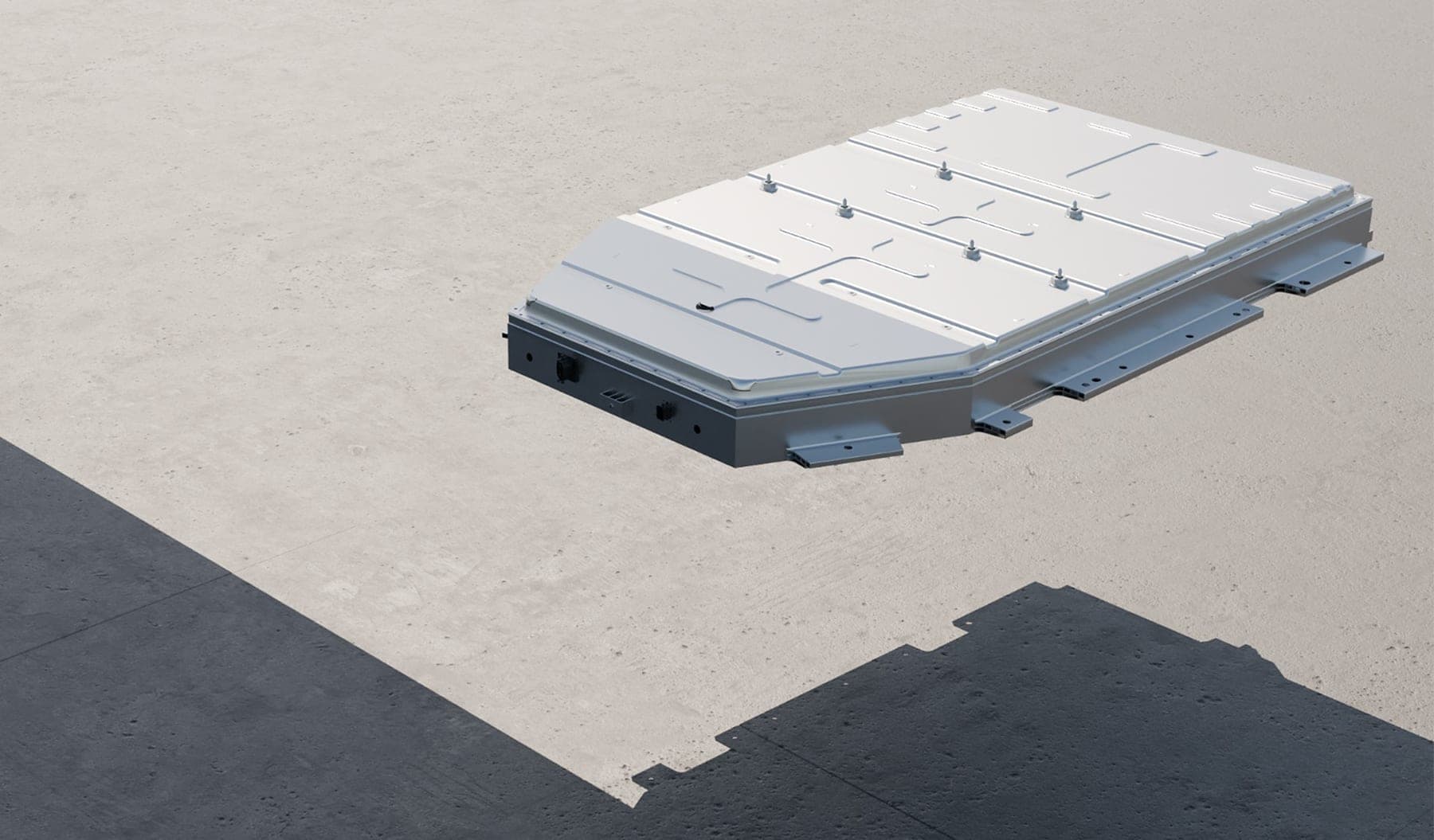
A depot fleet needs three-phase AC charging overnight, not public DC infrastructure. Both MAXUS pickup platforms charge fully from an 11 kW three-phase supply — 9 hours for the T90 EV, 12 hours for the eTerron 9 — and most commercial and industrial premises already have that supply. The question of whether a country has public chargers is largely irrelevant to a fleet that sleeps in a yard.
How much supply does a fleet need?
At 11 kW per vehicle, ten trucks charging simultaneously draw 110 kW. In practice a fleet rarely needs simultaneous full-rate charging, because vehicles arrive at different states of charge and sit for ten to fourteen hours. Load-managed charge points that share a fixed supply between connected vehicles cut the required capacity substantially — frequently by half — and cost far less than an upgraded grid connection.
| Fleet size | Unmanaged supply | With load management |
|---|---|---|
| 5 vehicles | 55 kW | 30–40 kW |
| 10 vehicles | 110 kW | 55–70 kW |
| 20 vehicles | 220 kW | 100–130 kW |
| 50 vehicles | 550 kW | 250–320 kW |
When is DC fast charging worth installing?
When a vehicle does two shifts, or when a route exceeds the range between depot visits. The eTerron 9 takes 115 kW and recovers 20–80% in 42 minutes; the T90 EV takes 70 kW and recovers 10–80% in 45 minutes. A single DC unit at a depot as a mid-shift top-up for the one or two vehicles that need it is far cheaper than sizing the whole site for DC.
One caution for hot climates: sustained high ambient temperature will make the battery management system throttle DC charge rate to hold cell temperature, so a 42-minute figure measured at moderate temperature can extend significantly at 45°C. Shade the charging bay if you can — it is the cheapest intervention available.
What about solar?
Solar-plus-storage depot charging works well where grid electricity is expensive, which describes most island and many African commercial premises. The arithmetic favours it when the fleet charges overnight — battery storage charged by day discharges to the vehicles at night, and the vehicles never compete with daytime site load. It is the standard answer in Caribbean markets, where island electricity tariffs otherwise erode most of the running-cost advantage over diesel.
What to install, in order
- Confirm the existing supply capacity and whether three-phase is present at the depot.
- Install one AC charge point per vehicle, load-managed, sized to the overnight window rather than to peak rate.
- Add one DC unit only if a genuine mid-shift requirement exists.
- Meter charging separately from site load so you can measure cost per kilometre properly.
- Consider solar and storage once the fleet exceeds ten vehicles and the tariff justifies it.
The V2L output nobody budgets for
Both platforms provide vehicle-to-load output — 6.6 kW on the T90 EV, dual 6.6 kW circuits on the eTerron 9. For utility, telecoms and construction crews that replaces a towed generator: power tools, lighting and test equipment run from the truck. It is a genuine line item in a fleet business case and it is routinely left out of comparisons against diesel.