The crossover point where an electric pickup becomes cheaper than a diesel equivalent usually falls between 60,000 and 120,000 km. The spread is that wide because two local variables dominate everything else: the price of diesel and the price of depot electricity. Every other line in the model is small by comparison.
What the energy line actually looks like
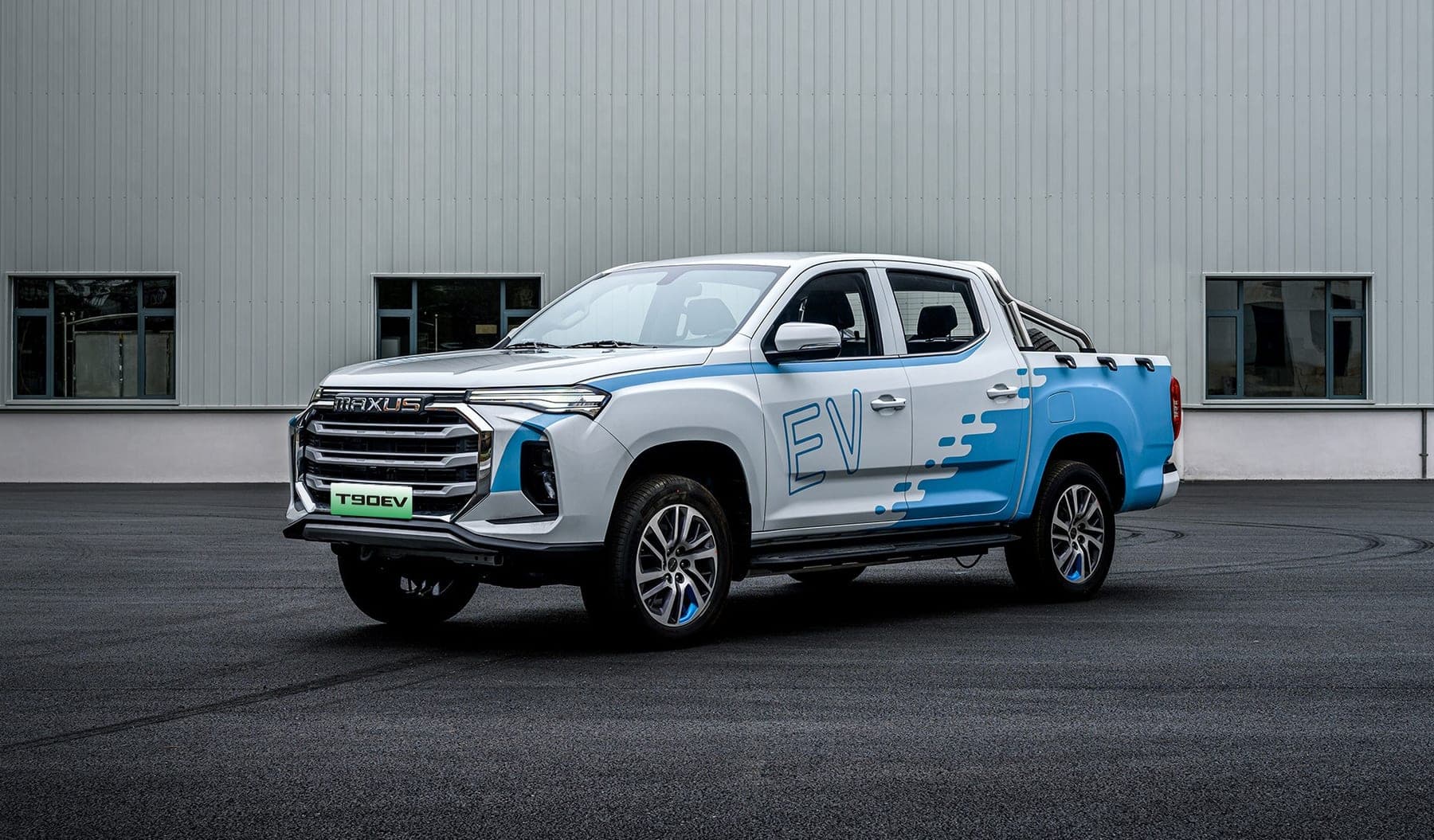
A T90 EV consumes roughly 17 kWh per 100 km on the manufacturer's figure. A diesel one-tonne double cab in comparable service consumes 9 to 11 litres per 100 km. At US$0.12/kWh depot electricity that is about US$2.04 per 100 km against about US$10 per 100 km at US$1.00/litre diesel — a four-to-five-fold difference on the single largest running cost.
Invert the inputs and the picture changes. At US$0.35/kWh island electricity and US$0.55/litre subsidised diesel, the same comparison is US$5.95 against US$5.50 and the electric truck never pays back on energy alone. This is why a TCO model built on another market's numbers is worthless.
Where the maintenance saving comes from
- No engine oil, oil filter, fuel filter or air filter service intervals.
- No timing belt or chain, no injectors, no turbocharger, no DPF regeneration.
- No gearbox or clutch service — a single-speed reduction gear replaces both.
- Brake pads and discs last far longer because regenerative braking does most of the deceleration.
- Remaining items: tyres, cabin filter, brake fluid, coolant for the battery thermal circuit, suspension wear.
Tyres are the one line that moves the wrong way. An electric pickup is heavier and delivers torque instantly, and both shorten tyre life. Budget a 10–20% increase in tyre cost per kilometre and do not let a supplier's TCO model quietly omit it.
What about the battery?
Warranty runs 8 years or 200,000 km on the traction pack, which covers the useful fleet life of most commercial pickups. Degradation is gradual rather than sudden — expect a capacity reduction over that period rather than a failure — and it shows up as reduced range, not as a breakdown. The financial risk is a residual-value question, not an operating-cost one.
A worked example
| Line | T90 EV | Diesel one-tonne |
|---|---|---|
| Landed cost | Higher — quoted per order | Baseline |
| Energy, 200,000 km at US$0.12/kWh vs US$1.00/l | ≈ US$4,080 | ≈ US$20,000 |
| Scheduled maintenance, 5 years | ≈ US$2,000 | ≈ US$6,500 |
| Brakes | ≈ US$400 | ≈ US$1,600 |
| Tyres | ≈ US$4,400 | ≈ US$3,800 |
| Five-year running total | ≈ US$10,880 | ≈ US$31,900 |
On these inputs the running-cost saving is around US$21,000 over five years, and against a typical purchase premium the crossover lands near 80,000 km. Substitute your own diesel and electricity prices, and the actual premium from your proforma invoice, before you rely on any of it — the structure of the model transfers between markets, the numbers do not.
The costs a fleet forgets
- Depot charging infrastructure — three-phase supply, distribution board, charge points, civils. Budget this as capital, not as a running cost.
- Driver training. Regenerative braking and range management change driving behaviour, and an untrained driver will hit 65% of certified range.
- An initial spare-parts package shipped with the first order — EV-specific components a general workshop will not stock.
- Downtime cost while the first local technician learns the platform.