East African vehicle inspectors distinguish sharply between factory-built right-hand drive and converted left-hand drive, and converted units fail routinely. The reason is documentary rather than mechanical: once a vehicle's steering has been moved, its steering geometry, airbag deployment calibration and wiring loom no longer match the type-approval file that the manufacturer's certificate of conformity refers to. The inspector's job is to find exactly that mismatch.
Which countries in the region require RHD?
| Country | Steering | Pre-export certificate |
|---|---|---|
| Kenya | RHD | KEBS PVoC Certificate of Conformity |
| Tanzania | RHD | TBS Pre-Export Verification |
| Uganda | RHD | UNBS PVoC |
| Zambia | RHD | ZABS / ZCSA conformity assessment |
| Rwanda | RHD | RSB conformity assessment |
| Ethiopia | RHD (LHD historically permitted) | Destination inspection |
Each scheme works the same way in outline: an agency appointed by the destination's standards body inspects the vehicle in China before loading and issues a certificate that customs requires at clearance. The certificates are not interchangeable, they are issued per consignment and per VIN, and none of them can be obtained after the vehicle has sailed.
What does a factory RHD build actually change?
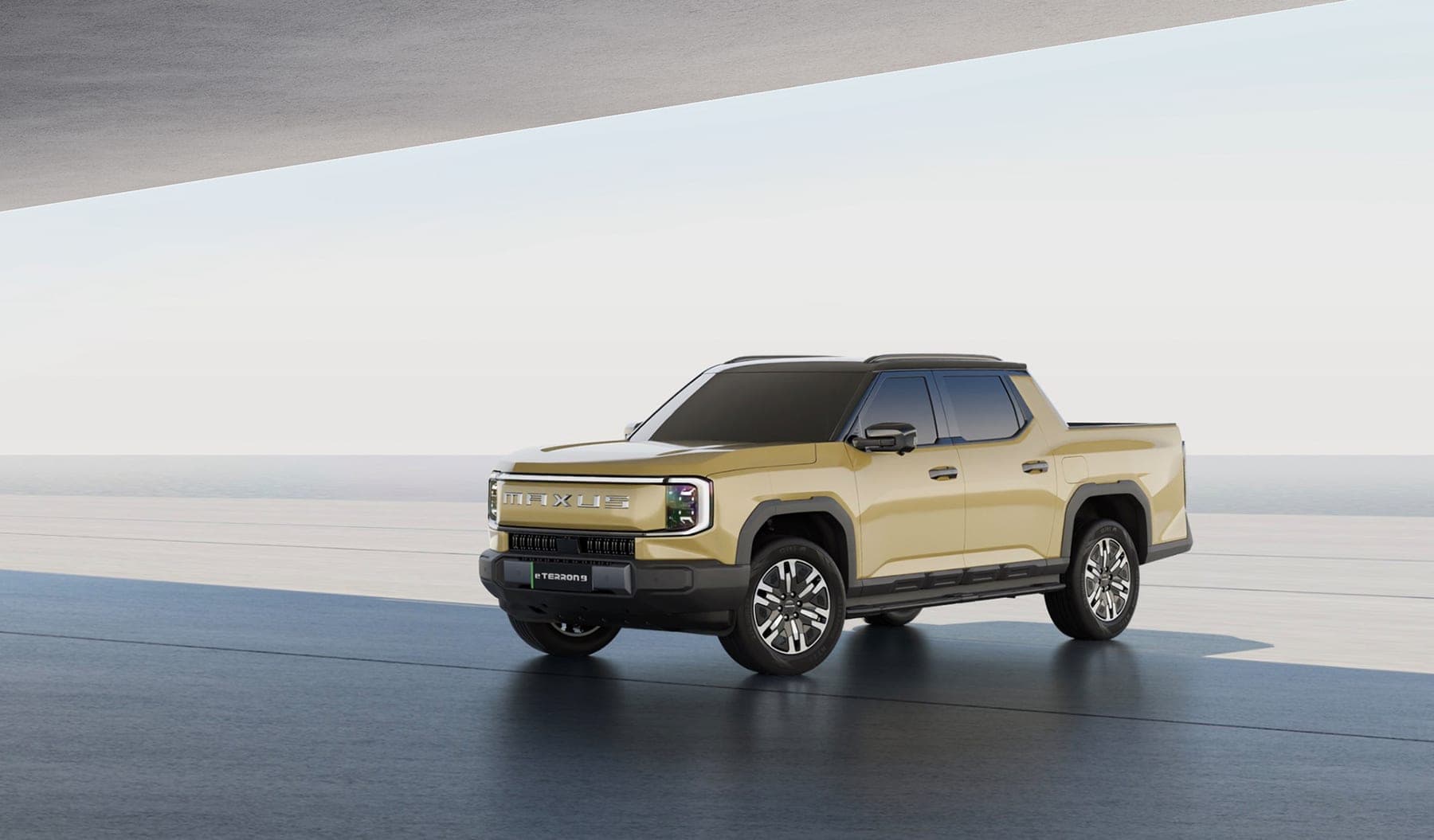
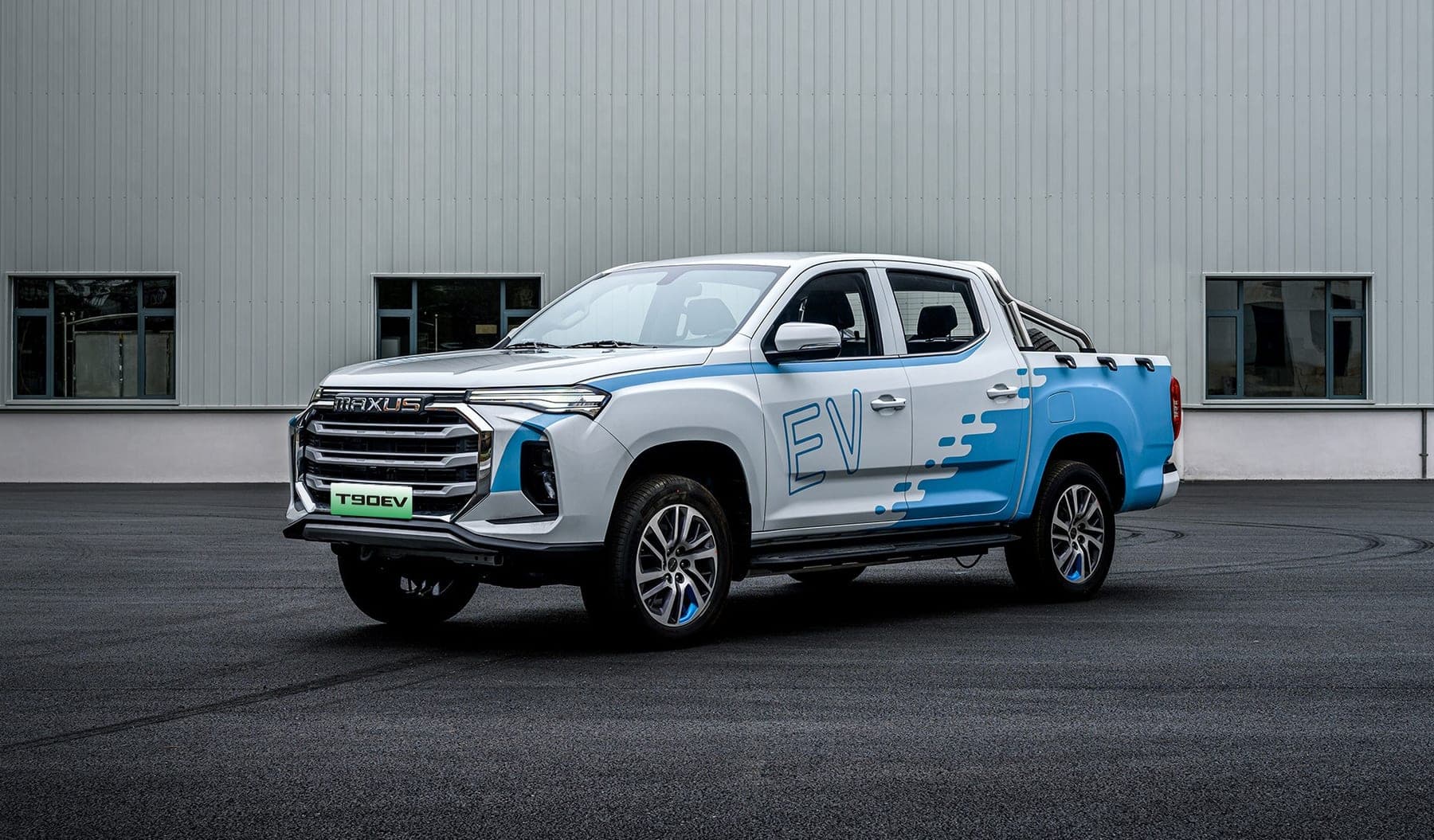
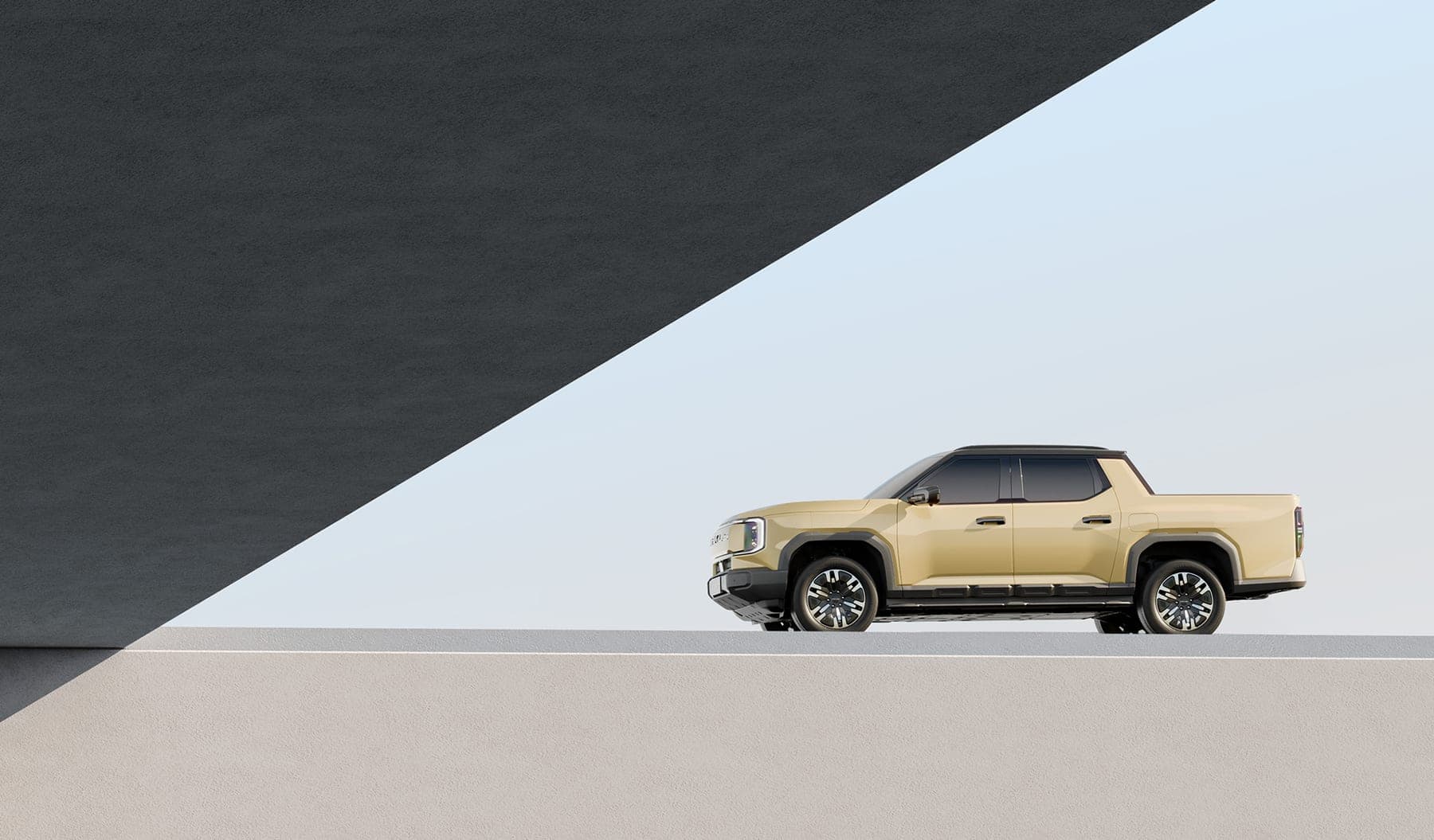
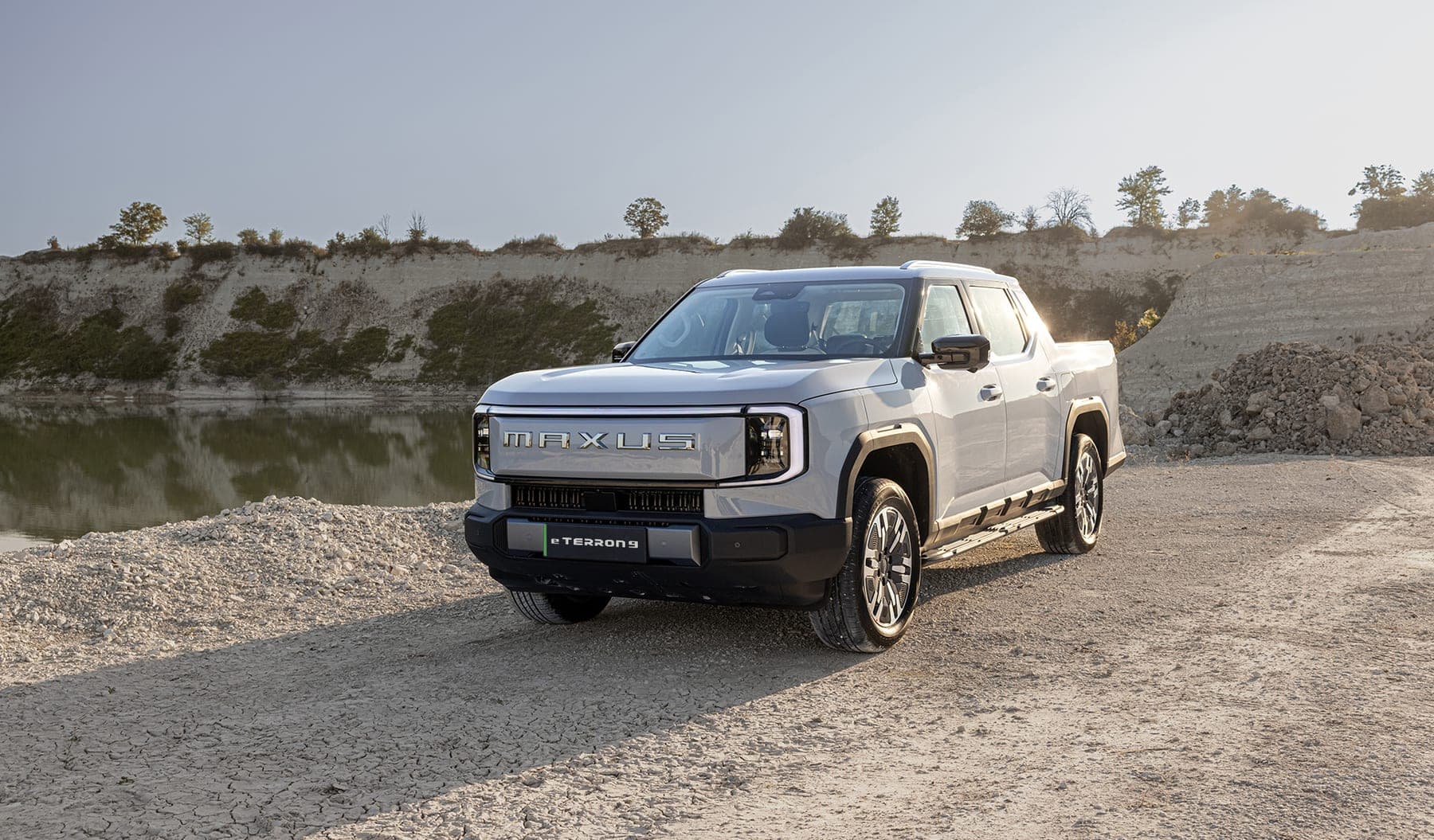
On the MAXUS pickups, the RHD build fits the steering rack, column, dashboard moulding, pedal box, wiring loom and instrument cluster on the production line, with the traction battery, motors and chassis unchanged. That last point is what makes RHD electric pickups straightforward compared with RHD diesel conversions: there is no engine ancillary layout, no exhaust routing and no brake servo to relocate around a repositioned steering box.
- eTerron 9 — 325 kW dual motor, air suspension, 430 km WLTP.
- eTerron 9 — same driveline on coil springs, 650 kg payload, the specification most tenders are won on.
- T90 EV — 88 kWh, 1,000 kg payload, the lowest FOB entry into a factory electric one-tonne pickup.
Why do RHD lead times run longer?
SAIC MAXUS allocates right-hand-drive production in batches rather than running it continuously, because RHD volume does not justify a permanent line changeover. An order placed against a confirmed batch ships on the normal 25–35 day cycle. An order that misses a batch waits for the next one, which is why we quote 40–55 days for eTerron 9 and 35–50 days for T90 EV, and why we state the current batch date on every proforma invoice rather than quoting a generic lead time.
What about Australia and New Zealand?
Both take the same factory RHD vehicles but a different approval route. Australia requires an entry on the Road Vehicle Type Approval register and compliance with the applicable Australian Design Rules before first registration — a manufacturer-level process, not something an individual importer completes per consignment. New Zealand accepts entry certification against approved standards, which is materially simpler. Buyers in either market should confirm the current RVSA entry status before ordering.
The practical checklist
- Confirm the destination is RHD and name it on the proforma invoice.
- Confirm the build is factory RHD, not a conversion — ask for the VIN and the manufacturer's certificate of conformity.
- Book the pre-export inspection as soon as the VIN is allocated, not after production completes.
- Check the vehicle age rule for the destination — irrelevant for 0 km units but fatal for used stock.
- Confirm the current RHD batch date before you commit to a delivery promise downstream.